








Governance / Economic

Compliance with Anti-Corruption Policy
Mission and Objectives
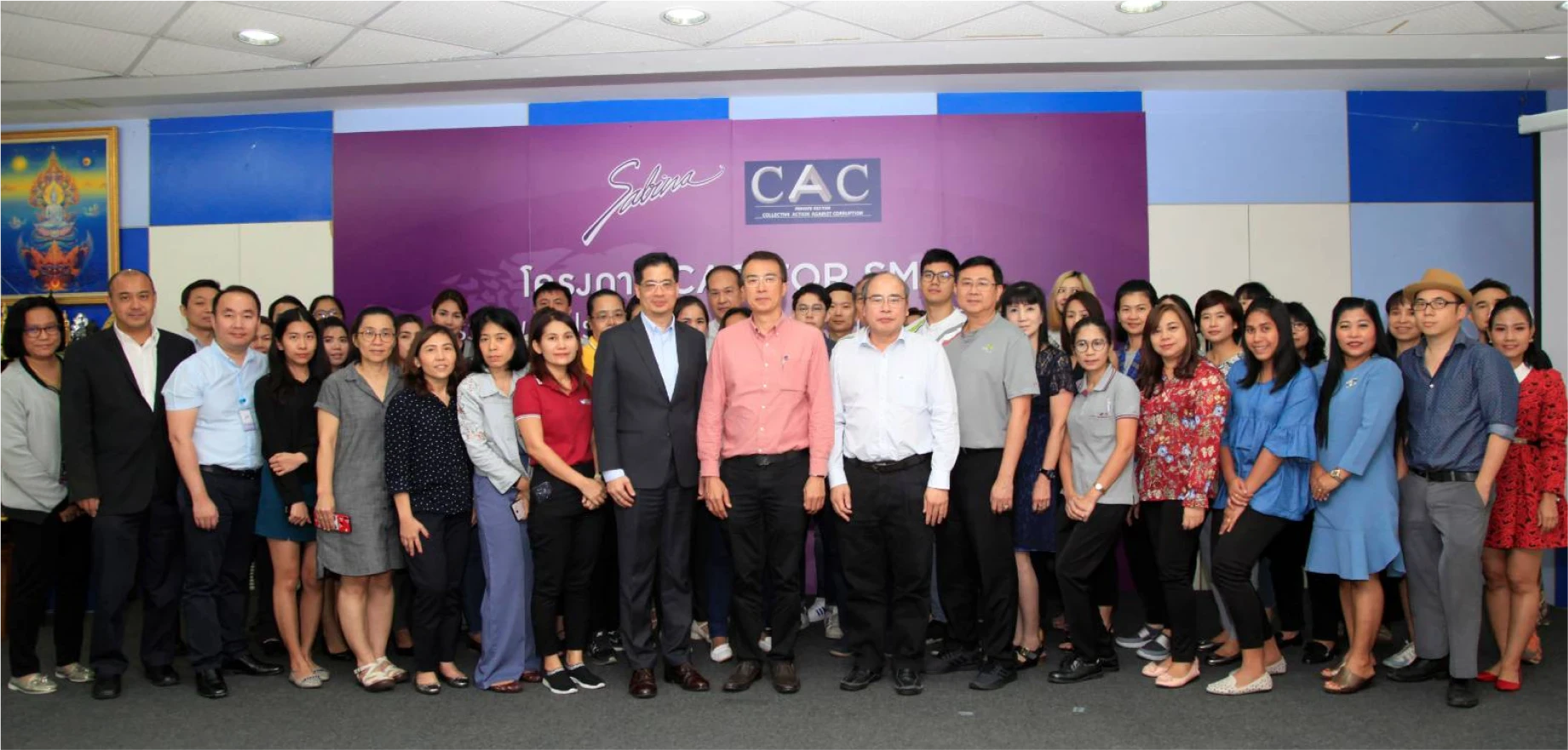
Sabina Public Company Limited and its subsidiaries are committed to conducting business with integrity and transparency. We emphasise the engagement of employees at all levels to raise awareness of the detrimental effects of corruption and to instil honesty as a core corporate culture.
Commitment and Targets

Zero Tolerance Policy
Conducting business primarily for the benefit of the organisation, with a strict stance against illegal activities or political contributions.
Goals For 2025


Proactive Risk Management
The Company continuously manages corruption risks across high-priority business processes, including:
- Customs Clearance: Monitoring both inbound and outbound logistics procedures.
- Procurement and Purchasing: Ensuring transparency and fairness in supplier selection.
- Government Licensing and Permits: Overseeing all interaction and application processes with government agencies.




Whistleblowing Channels and Procedures
SABINA provides secure reporting channels and a fair investigation process to protect the interests of all parties:
- Reporting Unit: The Internal Audit Department acts as the primary receiver of grievances and reports directly to the Audit Committee.
- Investigation Timeline: Fact-finding and investigations are required to be completed within 30 days of receiving the report.
- Remedy and Notification: The Company is mandated to notify the whistleblower of the investigation results within 7 days after the conclusion of the case.
GRI Standards Universal Standards
| Disclosure | Page |
|---|---|
| GRI 205-2 Communication and training about anti-corruption policies and procedures | 179,181 |
| GRI 301-1 Materials used by weight or volume | 97 |
| GRI 302-1 Energy consumption within the organization | 63 |
| GRI 302-4 Reduction of energy consumption | 58,59,60 |
| GRI 302-5 Reductions in energy requirements of products and services | 63 |
| GRI 303-2 Management of water discharge-related impacts | 73 |
| GRI 303-4 Water discharge | 72 |
| GRI 303-5 Water consumption | 71,72 |
| GRI 305-1 Direct (Scope 1) GHG emissions | 42,44 |
| GRI 305-2 Energy indirect (Scope 2) GHG emissions | 43,44 |
| GRI 305-3 Other indirect (Scope 3) GHG emissions | 43,44,86 |
| GRI 305-5 Reduction of GHG emissions | 42,45 |
| GRI 306-2 Waste by type and disposal method | 78,83,85,87 |
| GRI 401-1 New employee hires and employee turnover | 164 |
| GRI 401-2 Benefits provided to full-time employees | 168 |
| GRI 401-3 Parental leave | 167 |
| GRI 402-1 Minimum notice periods regarding operational changes | 170 |
| GRI 403-1 Occupational health and safety management system | - |
| GRI 403-2 Hazard identification, risk assessment, and incident investigation | 136 |
| GRI 403-3 Occupational health services | 137,141 |
| GRI 403-5 Worker training on occupational health and safety | 137 |
| GRI 403-6 Promotion of worker health | 141 |
| GRI 403-9 Work-related injuries | 138 |
| GRI 403-10 Work-related ill health | - |
| GRI 404-1 Average hours of training per year per employee | 166 |
| GRI 404-2 Programs for upgrading employee skills and transition assistance programs | 165 |
| GRI 404-3 Percentage of employees receiving regular performance and career development reviews | 163 |
| GRI 405-1 Diversity of governance bodies and employees | 163 |
| GRI 406-1 Incidents of discrimination and corrective actions taken | 158 |
| GRI 407-1 perations and suppliers in which the right to freedom of association and collective bargaining may be at risk | 155 |
| GRI 410-1 เจ้าหน้าที่รักษาความปลอดภัยได้รับการฝึกอบรมเกี่ยวกับนโยบายสิทธิมนุษยชนหรือขั้นตอนปฏิบัติ | 134 |
| GRI 412-2 Employee training on human rights policies or procedures | 147 |
| GRI 413-1 Operations with local community engagement, impact assessments, and development programs | 80,81,82 |
| GRI 418-1 Substantiated complaints concerning breaches of customer privacy and losses of customer data | 21 |
Code of Conduct
Mission and Objectives
Sabina Public Company Limited is committed to conducting business with integrity, honesty, and transparency towards all stakeholder groups. We believe that business ethics are the vital foundation for sustainable growth and the building of international trust.

Vision and Ethical Policies (Commitment & Policies)
Guiding Principles
Establishing clear codes of conduct for directors, executives, and employees to ensure ethical operational standards.
Core Ethical Pillars
Our Code of Conduct covers critical areas, including:
- Anti-corruption and anti-bribery in all forms.
- Compliance with labour laws and international human rights.
- Management of conflicts of interest and responsibility for corporate assets.
- Non-discrimination and anti-harassment in the workplace.

Cultivating Awareness (Internal Engagement)
- 100% Learning Goal: The Company provides comprehensive business ethics training and assessments for all employees.
- 2025 Assessment Results:
- A total of 2,684 employees participated in the ethics assessment (representing 99.9% of the total workforce).
- he average score reached 9.8 out of 10, reflecting a profound understanding of ethical principles among our personnel.

Stakeholder Feedback
SABINA evaluates the effectiveness of its Code of Conduct through comprehensive stakeholder satisfaction surveys to drive continuous improvement:
- Customers: 88.8% of respondents rated the Company at an "Excellent" level.
- Suppliers and Creditors: 76.9% of respondents rated the Company at an "Excellent" level.
- Society and Environment: Maintained high overall satisfaction ratings across all social and environmental dimensions.

Communication and Transparency
The Company consistently communicates its Code of Conduct to suppliers and partners throughout the supply chain. This ensures that all stakeholders operate in alignment with the Company’s rigorous ethical standards.
ESG in Supply chain
Commitment and Goals
SABINA is dedicated to fostering a robust and sustainable supply chain by integrating Environmental, Social, and Governance (ESG) principles into our supplier management processes. Our objective is to mitigate business risks, enhance stakeholder trust, and create long-term value across all segments of the supply chain.

Commitment and Targets

Objectives for 2025

Conduct ESG assessments for at least 35% of critical suppliers (Tier-1).


Performance Results for 2025


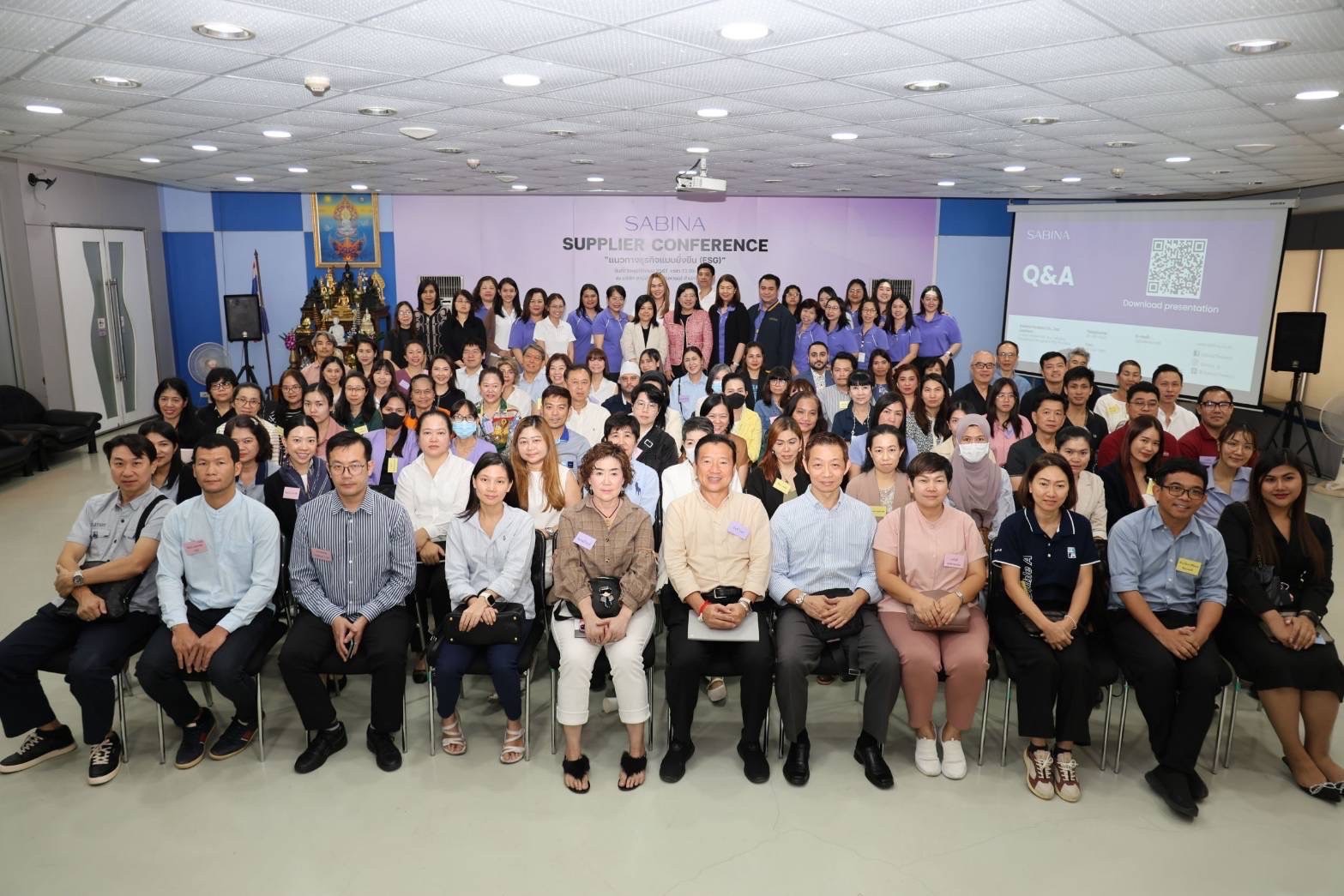
Supplier Engagement and Development Strategy
- Rigorous Assessment Criteria: Utilising On-site Assessment tools for Strategic Suppliers and Questionnaire Assessments for Key Suppliers to ensure operational transparency.
- Supplier Development (Corrective Action Plan): In instances where high-risk suppliers are identified, the Company initiates formal communication to establish improvement plans, elevating their operational standards to align with our sustainability policies.
- Communication of Ethics: Prioritising the communication of the Supplier Code of Conduct to ensure ethical and compliant practices across the entire supply chain.